One wears fleece and watches for whales; the other wears flip-flops and chases the sun. Both are called "a cruise" — here's how to pick the right one for you.
It's the most common fork in the road for anyone planning a cruise: the frozen north or the sunny south. Both wear the word "cruise," but they deliver almost opposite vacations — one asks for fleece and a rain jacket, the other for flip-flops and sunscreen. Here's an honest, fact-based breakdown to help you pick the one that matches the trip you actually want.
This side-by-side from the Cruise Blog team is a good place to start:
The one-line answer
An Alaska cruise is a scenery-and-wildlife adventure in cool weather, available only in a short summer window, and it generally costs more. A Caribbean cruise is a warm-water, beach-and-pool vacation you can take almost any month of the year, usually for less money. Neither is objectively "better" — the right pick depends entirely on the kind of vacation you're after.
Season & weather: the hard constraint
Alaska is seasonal. The cruise season runs roughly from early May through late September; outside that window the ships simply aren't there. Summer temperatures typically sit in the 40s to low 70s°F, and because Southeast Alaska is a temperate rainforest (Ketchikan is one of the rainiest towns in the U.S.), rain and mist are common — layers and a waterproof shell are essential. The upside: near-endless daylight, with places like Juneau seeing roughly 18 hours of light around the summer solstice.
The Caribbean is year-round. Temperatures are reliably warm (often in the 80s°F) in every season, with the driest, most popular stretch running December through April. The one thing to plan around is the Atlantic hurricane season, which officially spans June 1 to November 30 and peaks from August into October.

If picking the right month matters to you, this breakdown of the best and worst times to sail each region is worth a watch:
What you actually do all day
This is where the two experiences diverge the most.
Alaska is about looking outward. The main events are glaciers and wildlife: scenic cruising in Glacier Bay, Hubbard Glacier, or the Tracy Arm and Endicott Arm fjords, plus chances to spot humpback whales, orcas, sea otters, bald eagles, and brown and black bears. Popular excursions lean active and outdoorsy — whale-watching boats, helicopter flightseeing, dog sledding on a glacier, sea kayaking, salmon fishing, and the historic White Pass & Yukon Route railway out of Skagway. Onboard, the vibe is more subdued: instead of thumping pool parties, you'll find people lining the rails with binoculars while a naturalist narrates.

The Caribbean is about slowing down. The days revolve around warm water and sand: swimming, snorkeling and diving over reefs, beach clubs, watersports, and easygoing island time. Many itineraries include a cruise-line private island such as Royal Caribbean's Perfect Day at CocoCay or Disney's Castaway Cay. Onboard energy runs higher too — pools, waterslides, live music, and deck parties — and the region is home to the largest cruise ships in the world, including Royal Caribbean's Icon- and Oasis-class megaships.

Ports & where you sail from
Alaska itineraries come in two shapes. A round-trip Inside Passage sailing leaves from Seattle or Vancouver and stays in sheltered, generally calmer waters. A one-way Gulf of Alaska sailing runs between Vancouver and Seward or Whittier (the ports for Anchorage), crosses more open ocean that can be rougher, and pairs naturally with a land tour to Denali. Classic port stops include Juneau, Ketchikan, Skagway, Sitka, and Icy Strait Point.
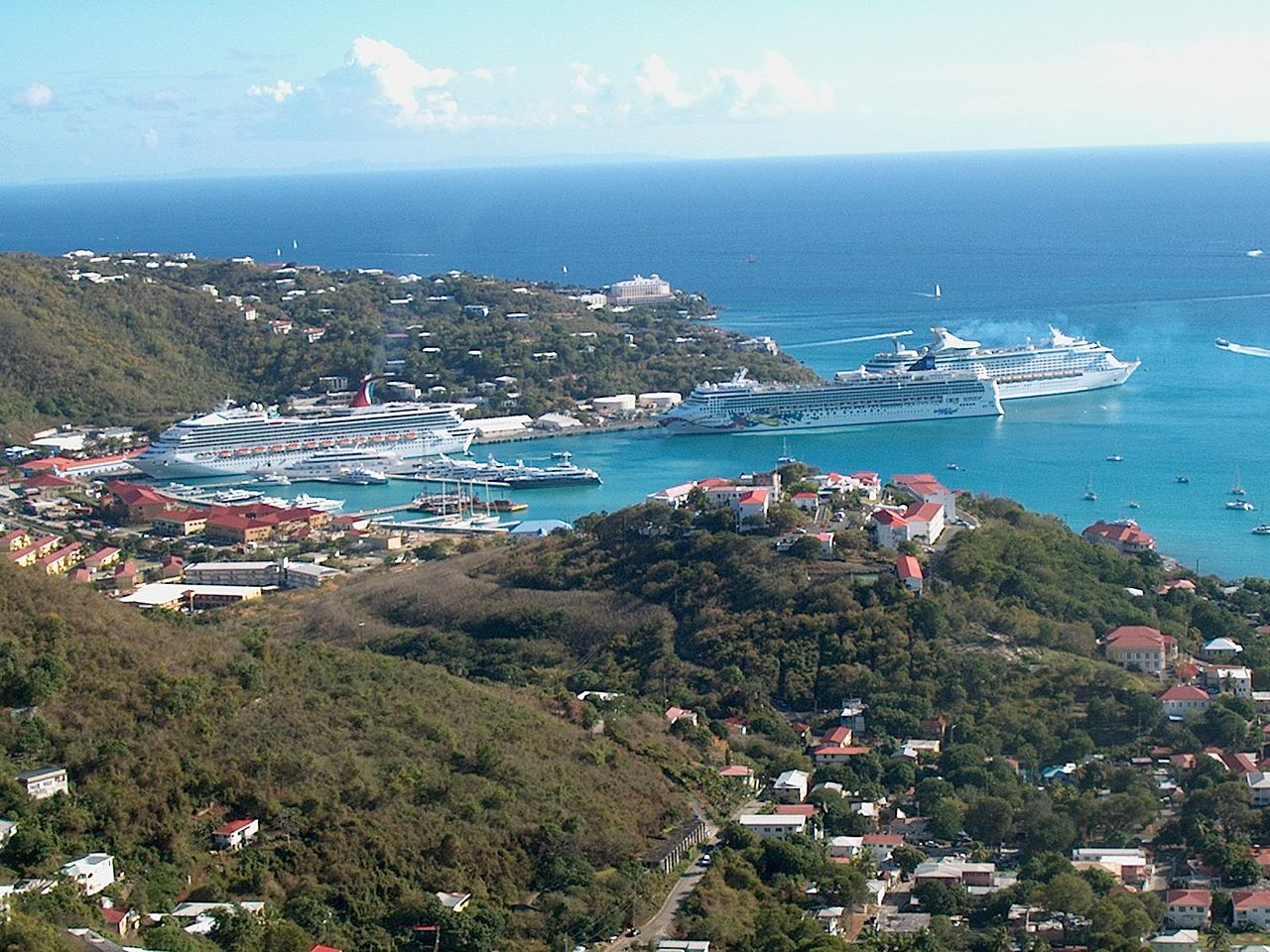
The Caribbean departs from far more homeports — Miami, Fort Lauderdale, Port Canaveral, and Tampa in Florida, plus Galveston, New Orleans, and San Juan — so airfare is frequently cheaper and travel time shorter for most U.S. travelers. Itineraries are usually grouped as Eastern (St. Thomas, San Juan, St. Maarten), Western (Cozumel, Grand Cayman, Jamaica), or Southern (Aruba, Curaçao, Barbados).
Cost: Alaska usually runs higher
Across published 2026-season comparisons, Alaska consistently costs more than a comparable Caribbean sailing. As a rough guide, a seven-night Caribbean cruise often starts around $500–$800 per person, while a comparable Alaska cruise tends to start closer to $1,100–$1,600 per person. On a per-night basis that's roughly $100–$250 per person for the Caribbean versus $200–$400 for Alaska on mainstream lines.
Three things drive the gap: Alaska's short season, its handful of homeports, and pricier excursions — a helicopter-and-dog-sled tour can run into the hundreds of dollars per person, where a Caribbean beach day might cost nothing beyond a taxi. Actual fares vary widely by ship, cabin, and timing, so treat these as ballparks rather than quotes.
So which should you pick?
A simple way to decide:
- Choose Alaska if you want bucket-list scenery and wildlife, don't mind cool and occasionally wet weather, are okay spending more, and prefer an active, educational trip over a beach day.
- Choose the Caribbean if you want warm water and beaches, a lower budget, year-round flexibility, short flights to the port, big-ship entertainment, or you're traveling with kids who want waterslides and pools.
If you'd rather match the choice to your personality than to a checklist, this short video frames it well:
The bottom line
Alaska and the Caribbean aren't interchangeable, and a lot of cruiser disappointment comes from booking one while secretly wanting the other. Alaska is a once-in-a-lifetime landscape trip built around glaciers, wildlife, and cool-weather adventure. The Caribbean is the dependable warm-weather escape you can repeat any time of year, usually for less. Plenty of experienced cruisers end up doing both — just not on the same trip, and not expecting the same vacation from each.